 Aug 17, 2025
  ESG
ESG
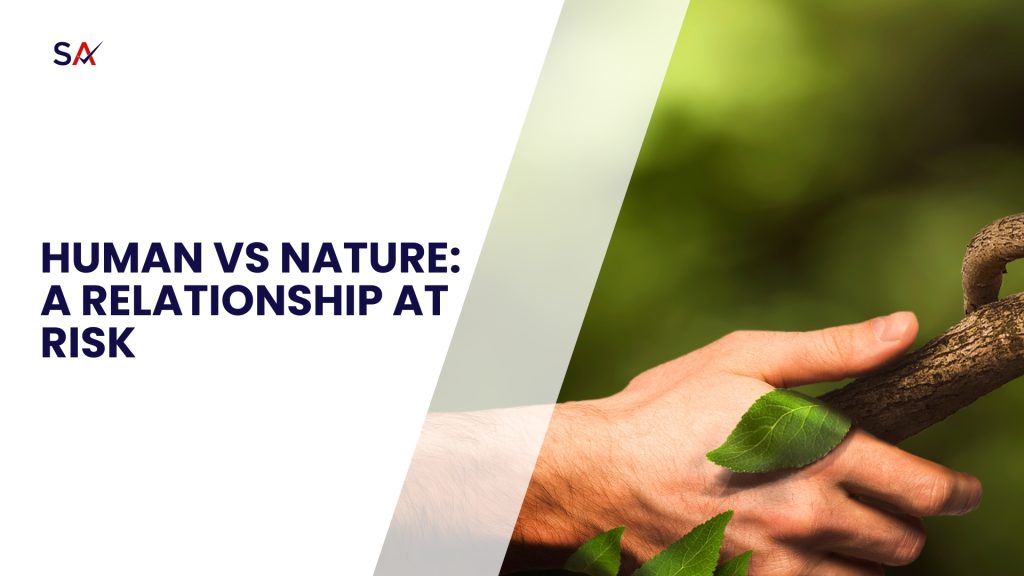
Human vs Nature: A Relationship at Risk
What’s going on with the world around us?
Why are marine animals, creatures that belong in the deepest parts of the ocean, washing ashore more often?Why is a simple rainstorm now enough to cause massive flooding?
Why are we facing the loss of biodiversity, a rise in unhealthy food options, and a choice between breathing fresh air or toxic smoke?
What is really happening?
Is this truly a battle of Human vs Nature?
Or are we simply harming ourselves by forgetting a fundamental truth: We are nature?
We are not separate from the rivers, forests, oceans, or skies. Our survival is directly tied to theirs. The sooner we understand this connection, the better chance we have of securing a sustainable future.
There was once a time when humans lived with nature, not above it. We built homes from the earth, coexisted with wildlife, and respected the natural cycles of the seasons. But somewhere along the path of modern development, that harmony turned into imbalance, a silent struggle where nature often pays the price.
Warming oceans are now depleting oxygen levels in the deeper seas, making it harder for marine life to survive. On land, fewer trees mean soil erosion, and the ground can no longer absorb water effectively, leading to frequent landslides. Our actions are reducing safe habitats for countless species, pushing biodiversity into crisis. And with growing air pollution, we’re left wondering whether what we breathe is oxygen or toxins.
WHAT IS REALLY HAPPENING?
As humans, we often overlook issues that don’t yield immediate results or benefits. Most of our actions are driven by the hope of a return, whether it’s progress, reward, or something we deeply care about. With that mindset, we must ask ourselves: Is caring for the environment truly necessary? Are we responsible for the natural disasters unfolding around us?
The honest answer is, yes, we are.
We can’t point fingers at the person who invented plastic or blame those who drove innovation without considering its environmental consequences. Why? Because without our collective demand, use, and support, none of it would have gone this far. In truth, each of us has played a role in the state of the planet today. And that means we all have a role in fixing it too.
They say, “pain of regret is more than pain of discipline”, “it’s never too late to act on anything” . So, why not begin now?
A Poetic Plea from Nature-
I hold you,
I give to you —
Yet you wince at my pain.
Stop.
I can show you peace,
And beauty beyond name.
But if I must respond…
It ends in flame.
– Long dots
This poem captures nature’s silent plea to humanity, a reminder that while we continue to chase advancement, we often forget the very source of our survival. Nature has been generous, patient, and nurturing, but its tolerance is not infinite. The poet warns: if we continue to ignore its signals, the consequences may be irreversible. Now is the time to act, not out of fear, but out of responsibility and care for the only home we have.
What are the major problems environment is facing?
1) Global Warming – An increase in Earth’s average temperature due to greenhouse gases trapping heat in the atmosphere, leading to extreme weather, rising sea levels, and disrupted ecosystems.
2) Fossil Fuel Dependance – Relying heavily on coal, oil, and gas for energy emits vast amounts of carbon dioxide, accelerating climate change and causing air pollution.
3) Food Waste – Millions of tons of edible food are wasted each year, squandering water, land, and energy resources while contributing to methane emissions in landfills.
4) Biodiversity Loss – The rapid decline of plant and animal species due to habitat destruction, pollution, and climate change threatens the stability of ecosystems and human well-being.
5) Plastic Pollution – non-biodegradable plastics accumulate in oceans and landfills, harming wildlife, contaminating food chains, and taking centuries to break down.
6) Deforestation – The large-scale removal of forests for agriculture, logging, or urban development reduces oxygen production, displaces wildlife, and contributes to global warming.
7) Air Pollution – Harmful gases and particles released into the atmosphere from vehicles, industries, and burning fuels cause health problems and environmental damage.
8) Melting Ice Caps and Rising Sea Levels – Global warming causes polar ice to melt, increasing sea levels and threatening coastal communities with flooding and erosion.
9) Ocean Acidification – Excess carbon dioxide absorbed by oceans lowers their pH, harming marine life like coral reefs and shellfish that rely on stable conditions to survive.
10) Soil Degradation – Unsustainable farming, deforestation, and pollution weaken soil health, reducing its ability to support crops and filter water, which endangers food security.
And Many More…
And more challenges will come if we don’t take action now. Maybe you can’t stop others from cutting down trees or producing plastic — but you can choose not to contribute to it yourself.
Change doesn’t have to be massive from the start. Let’s begin small, stay consistent, and focus on changing our own habits first. A great place to start? The 4Rs: Reduce, Reuse, Refuse, and Recycle.
Reduce – Minimize the amount of waste you generate by consuming less and choosing products that have minimal environmental impact. For example, buy only what you need, and opt for durable goods over disposable ones.
Reuse – Extend the life of items by using them multiple times or repurposing them instead of discarding. For instance, reuse glass jars, bags, or old containers instead of buying new ones.
Refuse – Say no to products that harm the environment or are unnecessary. This includes rejecting single-use plastics, free promotional items, or overly packaged goods.
Recycle – Sort and send recyclable materials to proper facilities so they can be processed and turned into new products. Recycling helps reduce landfill waste and conserves natural resources.
Let’s begin with these 4Rs and observe the positive changes they bring in our own lives. Once we experience that progress, just imagine the impact if everyone around us embraced the same habits, the difference it could make for the environment would be truly remarkable.

Why Choose Spectrum Auditing?
At Spectrum Auditing, we go beyond just being an auditing firm; we’re your trusted partner in navigating the ever-evolving landscape of UAE regulations. Here’s what sets us apart:
- Unparalleled Expertise: Our team consists of accredited auditors, management accountants, consultants with in-depth knowledge of UAE laws, ensuring your business remains compliant.
- Streamlined Solutions: We take a comprehensive approach, guiding you through every step of the process, from risk assessment to filing reports.
- International Recognition: Be audits or any type of compliance, we adhere to the highest standards (ISA, IAS, IFRS), providing global credibility.
- Personalized Support: We understand every business is unique. We tailor our services to address your specific needs and answer any questions you may have.
Partner with Spectrum Auditing today. Let’s focus on your success, while you focus on what you do best – running your business.
Contact us today for a consultation at +971 4 2699329 or email [email protected] to get all our queries addressed.