 Mar 17, 2020
  Accounting
How bad debts can affect your accounting?
Every business divides its financial aspects into debtors and creditors and maintenance of these records separately is necessary. Tracking of debtors and creditors can give an analysis of the health of the organization. One factor that leaves a bad effect on the accounting of a business or organization is bad debts. Bad debts or bad debtors are a crucial part of every accounting and it is essential to maintain them separately.
Define bad accounting:
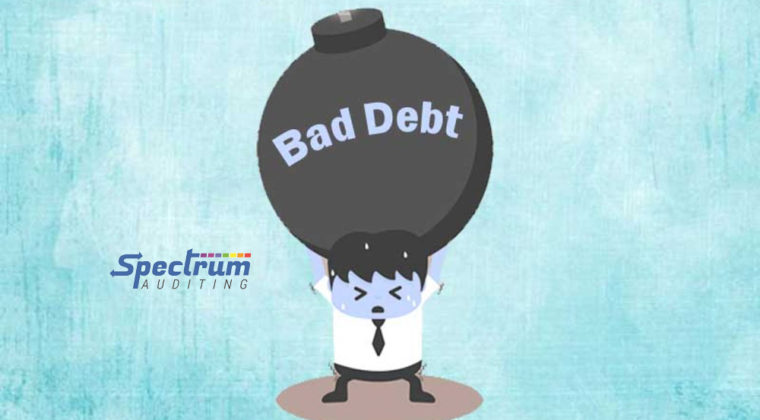
As mentioned above, Bad Debt is a separate concept of accounting that deals with recording and managing the transaction of bad debtors. A bad debt expense is a receivable amount that is no longer collectible from the customer for different reasons like bankruptcy or other financial problems. Firms that extend credit to their customers; report/record bad debts as an allowance for doubtful accounts on the balance sheet. This is also known as a section for credit losses.
It is advised to maintain a separate account for these bad debts because you will have an idea of the frozen revenue. Also, this will give an estimate on the number of debtors your company should or should not hold. With the help of the analysts, we could derive some reasons that can affect your business because of bad debts.
- Debtors list increases
- Revenues stuck
- Tally indifferences