 Feb 18, 2019
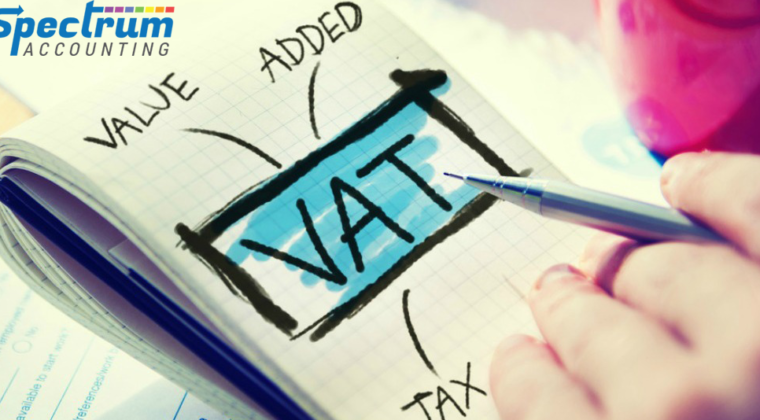
  VAT
VAT
VAT – Profit margin scheme
Profit Margin Scheme:
It is a scheme whereby a Taxable Person has an option to calculate Tax on the profit margin earned on a supply, instead of the sale value. The Profit Margin Scheme is available only on supply of certain specified goods, not services.
The Authority must be notified if the Profit Margin Scheme is to be used. Using the scheme without notification may mean that a taxable person is subject to penalty. (Art.76 of the VAT Law)
Profit margin:
It is the difference between consideration paid on purchase of the Goods and the consideration received on sale of the Goods, and the profit margin shall be deemed to be inclusive of Tax.
Profit margin = Consideration received on sale – consideration received on purchase
(and is taken inclusive of Tax)
If Profit margin is zero or if a loss is made, the value of the supply is zero for VAT purposes .
Operation of the Profit Margin scheme
The Taxable Person may calculate Tax on any supply of Goods by reference to the profit margin in the following situations:
| Example : Yasmin sells antique furniture which she bought from a member of public for AED 3000. She then sold the dresser for AED 8000 then Profit margin =8000-3000 = 5000 Output tax =5000*1/21=238.10 Input tax = 0 |
- Where he made a supply of Goods mentioned below:
- Second-hand Goods, meaning tangible moveable property that is suitable for further use as it is or after repair.
- Antiques, meaning goods that are over 50 years old.
- Collectors’ items, meaning stamps, coins and currency and other pieces of scientific, historical or archaeological interest
- were purchased from either:
- A Person who is not a Registrant.
- A Taxable Person who calculated the Tax on the supply by reference to the profit margin.
- A stock book or a similar record showing details of each Good purchased and sold under the profit margin scheme.
- Purchase invoices showing details of the Goods purchased under the profit margin scheme.